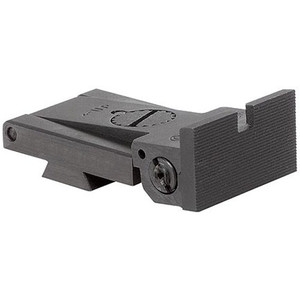
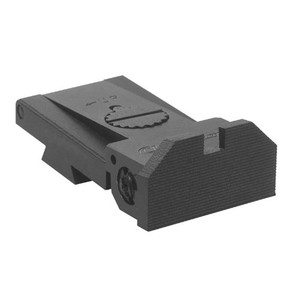
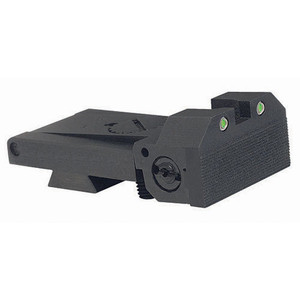
This model is for the shooter who wants a familiar Bomar BMCS sight picture with the ability to dial in the zero. This version uses rounded, serrated, 0.076" tritium dots, a 0.118" wide × 0.120" deep rear notch. Nothing complicated is happening here: choose the blade and notch that look right to your eye, confirm the sight cut, then use the windage and elevation clicks to finish the setup at the range. When comparing this sight with another version, focus first on what you will see through the notch and whether the cut matches your slide. The specifications below give you those answers in one place.
Product Features
- Blade Type: Rounded, Serrated, 0.076" Tritium Dots
- Blade Notch: 0.118" wide × 0.120" deep
- Bomar Dovetail: 0.359" wide × 60° × 0.100" deep
- Elevation Adjustment: Click Adjustment
- Windage Adjustment: Click Adjustment
- Construction: Wire-EDM Machined
- Material: 4140 Chrome Molly Steel
- Finish: Black Oxide
Technical Specifications
Fit and Compatibility
The rear sight is intended for the verified Bomar BMCS cut measuring 0.359" wide × 60° × 0.100" deep.
Understanding the Bomar BMCS Sight Pattern
The Bomar BMCS pattern is an adjustable target-sight system. Windage controls horizontal point-of-impact correction, while elevation controls vertical correction. Click adjustments give the shooter distinct feedback so changes can be recorded and checked at the target.
Why Choose a Rounded Rear Blade?
A rounded profile reduces sharp exterior corners while retaining a defined central notch. It can provide a smoother exterior profile without changing the need for precise front-sight alignment.
How Rear-Notch Dimensions Affect the Sight Picture
The listed rear notch is 0.118" wide × 0.120" deep. Notch width controls the visible space beside a given front blade; notch depth changes the vertical proportions of the sight window. Neither is automatically better, so compare the rear notch with the intended front-blade width and your preferred sight picture.
What Tritium Adds
Tritium is self-luminous and provides a visible reference in reduced light without batteries or external charging. It supplements the mechanical sight picture; it does not replace correct alignment or verification of zero.